The Rancher’s Guide to Loan Documentation in Oklahoma
Most delays in a ranch loan come from paperwork, not from the lender's willingness. If you know what each document is for and keep your records tidy, the process gets noticeably smoother. Here is how to get organized.
Why does documentation matter so much?
A lender cannot lend on a story. They need records to confirm what you own, what you owe and what you earn. Each document answers one of those questions.
The more complete your package, the fewer follow-up requests you get. That saves days or weeks in a process where timing often matters, such as a land purchase with a closing date. A tidy file also signals that you run a careful operation, which lenders notice.
Think of the package as a story told in numbers. A clean package tells a calm story, and a messy one invites questions you might not want to answer under pressure.
What financial documents do lenders usually ask for?
Requests vary, so ask your lender for their exact list. Most want a picture of several years, so they can see how your operation behaves in good and bad seasons.
Gathering these before you apply is the single best way to speed things up. Keep digital copies in one folder.
If you file taxes with a preparer, ask them for a clean copy of every return and any supporting schedules. They can often provide digital versions in minutes.
- Several years of federal tax returns
- A current balance sheet and debt schedule
- Income and expense statements
- Cattle inventory and sales records
- Bank statements and any lease or contract income
What about land and legal documents?
If land is involved, expect deeds, legal descriptions, lease agreements, mineral rights information and, for a purchase, a contract and appraisal. If your operation is an LLC or partnership, bring the formation papers and operating agreement.
Missing or unclear title records are a common holdup. Ask your attorney or title company to check early. The Oklahoma.gov portal points to state records and agencies, though county offices hold most land records.
Mineral and water rights can affect value, so check what you actually own. The Oklahoma Water Resources Board explains water rights in the state, which matters for ponds and wells that support the herd.
How do you build a simple production history?
Lenders like numbers that show consistency. Keep records of calving, weaning, sales and feed costs. Even handwritten notes become useful if you transfer them to a spreadsheet each year.
OSU Extension offers record-keeping tools and workshops, and the beef cattle guide and the farm money basics explain the production measures lenders often care about. Good records also help in any disaster or insurance claim.
Pictures help too. Photos of facilities, fences and herd condition can support a plan, especially when you ask for money to improve them.
Do federal programs need different paperwork?
Yes, often more. The Farm Service Agency loan program asks for specific forms and may require you to be on file at the county office. The Farmers.gov loan assistance tools describe application steps and what to prepare.
If you borrow from a Farm Credit association, ask for their checklist as well. Each lender's list is slightly different, and it is best to confirm early.
Ask the lender for the closing schedule and a copy of the draft documents ahead of time. Reading calmly at home beats reading nervously at a desk.
How do you keep paperwork safe and organized?
Choose one place. A physical binder, a labeled digital folder or both. Name files clearly and update them each year after tax time. Back up copies somewhere other than the ranch office.
Keep copies of every signed document, including closing papers. Years later, you will be glad you did. The IRS offers guidance on how long to keep tax records.
Set a calendar reminder each year to update the file. A document package that is always current can be ready within a day when an opportunity appears.
What should you do when you do not understand a document?
Ask. Loan officers can explain terms, and an attorney can explain the legal parts. Do not sign something you do not understand because the closing is tomorrow. Ask to see the documents ahead of time. Ask what each form is for and what happens to your information.
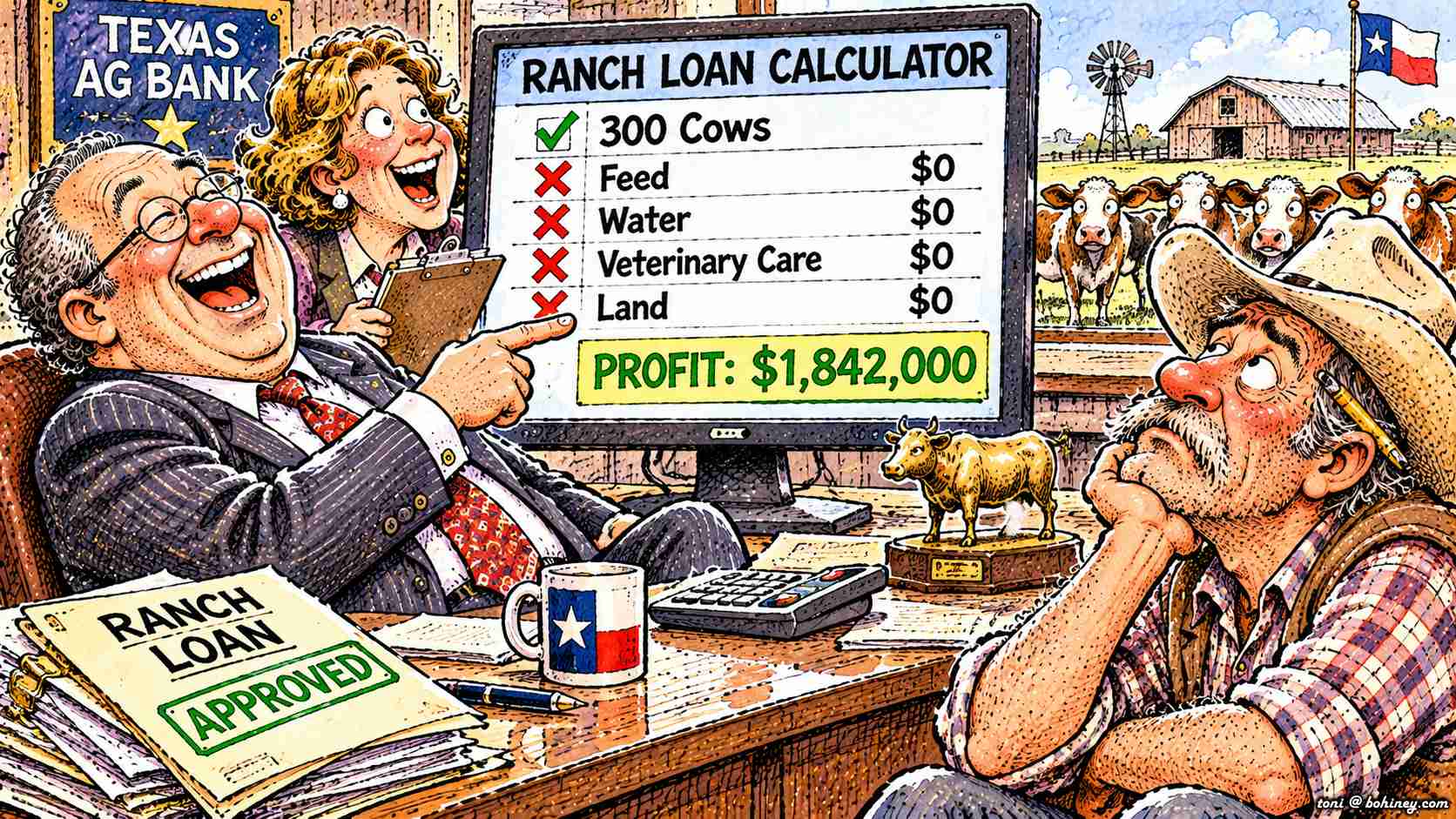
For a lighter perspective, farm.FM agribusiness stories often joke about paperwork piles, and the ranching section includes a farm.FM story on ranch loan paperwork. The folks at farm.FM know the feeling. This site is for education only, not a lender, and not financial, legal or tax advice.
Sources and further reading
- FSA Farm Loans: FSA direct, guaranteed, microloan and emergency loan information
- Farmers.gov Loans: USDA farm loan overview and loan assistance tools
- Farm Credit: cooperative agricultural lending network
- OSU Extension: Oklahoma State extension
- Oklahoma.gov: state government portal
- IRS: federal tax guidance
Ask locally: Ask your county OSU Extension office about record-keeping workshops, and have an attorney review land and legal documents.
General education only, not financial, legal or tax advice, and Oklahoma Rancher Loans is not a lender. Rates, terms and deadlines change, so confirm current details with the lender or agency.