How to Finance a Solar Project on Your Oklahoma Ranch
Solar panels on a ranch can run water pumps, shops and homes, and some producers also look at selling power. Before you borrow, it pays to separate the sales pitch from the arithmetic. Here is how to think it through in Oklahoma.
What are you trying to solve with solar?
Start with the problem. Is it a high electric bill, a remote stock tank that needs a pump, a shop that runs all day or a diversification idea? Each goal leads to a different system size and a different loan.
Small solar pumps for remote water are often cheaper and simpler than a full grid-tied array. A system that serves a real, steady load is easier for a lender to understand than one built on hopes about selling power.
Think about resilience too. A pump that keeps water flowing when the power is out has value beyond the monthly savings, even if that value is hard to put in a spreadsheet.
How do you estimate what a system will save?
Gather twelve months of electric bills. Ask two or three installers for written estimates of output and savings, and compare their assumptions on sunlight, panel degradation and your utility's rules. Do not trust a single quote.
Utility policies on connecting to the grid and crediting extra power differ and can change. Ask your electric provider in writing what applies to your service, because that rule can change the payback more than the equipment price.
Check the roof or ground location carefully. Shade, wind exposure and distance to the point of use all affect cost.
- Twelve months of electric bills
- Written installer quotes with output estimates
- Utility interconnection and credit rules
- Warranty terms for panels and inverters
- Maintenance and insurance costs
What incentives and programs might apply?
Federal tax provisions and rural energy programs have existed, but they change. Check the IRS for current tax guidance and USDA Rural Development for rural energy programs, and talk to a tax professional before you count on any credit.
NRCS has information on conservation practices that can involve solar-powered water systems, and the Oklahoma Department of Agriculture, Food and Forestry can point to state resources. Confirm eligibility and timing with each office before you sign a contract.
Programs often have application windows and paperwork that must be done before you buy. Starting the purchase first can disqualify you, so ask.
Which lenders can finance solar?
Local banks and credit unions, a Farm Credit association and the Farm Service Agency may all be worth a call. Some also work with installers on equipment financing. Ask about terms, fees and whether the loan is secured by the equipment or by other assets.
Compare total cost across offers. Installer financing can be convenient, but you should still compare it against a bank offer. The farm money guide explains how to line up loan costs.
Ask each lender whether they will finance the full cost or require a down payment, and whether early payoff carries a penalty.
What are the main risks?
Systems can underperform, installers can disappear and utility rules can change. Hail is a real concern in Oklahoma, so ask how panels are rated and what insurance covers. Check warranties and who services the system.
The National Weather Service and NOAA provide general weather and climate information, though your installer should address hail directly. Ask for references from ranchers who have had a system through a few seasons.
Plan for upkeep. Panels need cleaning, inverters wear out and wiring can fail. A maintenance line in the budget is cheap insurance.
How do you test the payback?
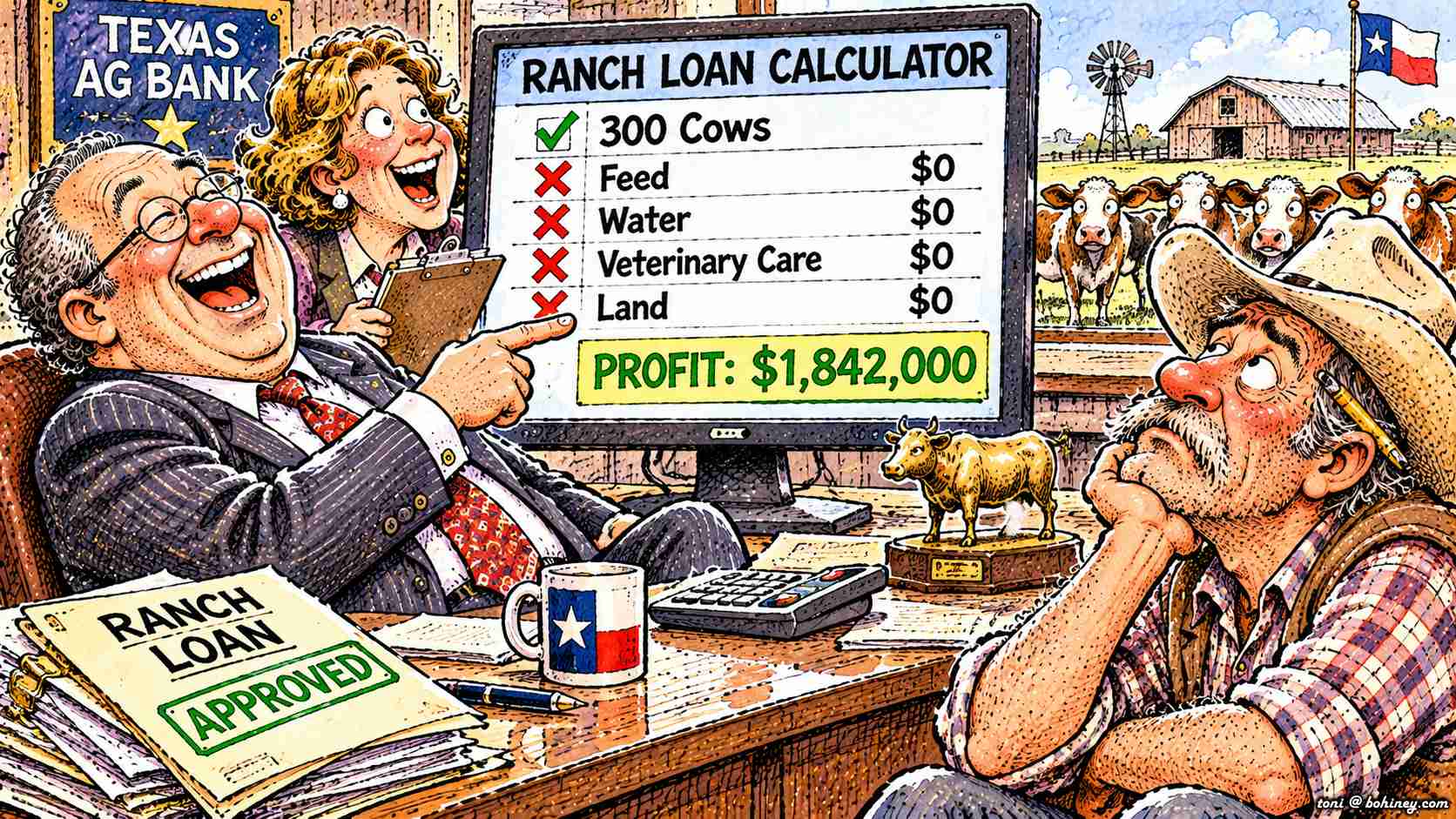
Build a simple model: loan payment plus maintenance and insurance, against savings or income. Then reduce savings, because estimates are often optimistic. If the payback only works under the best case, rethink the size or the plan.
Include what happens when equipment reaches the end of its life. The rural farm resource includes planning ideas that apply to any ranch infrastructure project.
Keep a log of actual production against the estimate after install. It tells you whether the system performs and gives you evidence if something is wrong.
What else should you read before you borrow?
Browse farm.FM agribusiness stories for the business side of rural life, and a farm.FM story about solar panels and ranches for company. Over at farm.FM they note that the Oklahoma sun is free until a salesperson shows up.
For lighter reading, there is also the farm jokes page. Then ask a licensed professional to review the numbers. This site is education only, not a lender, and not financial, legal or tax advice.
Sources and further reading
- IRS: federal tax guidance
- USDA Rural Development: rural business and community programs
- USDA NRCS: conservation programs and technical help
- Oklahoma Dept. of Agriculture, Food and Forestry: state agriculture agency
- Farm Credit: cooperative agricultural lending network
- FSA Farm Loans: FSA direct, guaranteed, microloan and emergency loan information
Ask locally: Ask an energy or farm management specialist at your county OSU Extension office, and a tax professional about incentives.
General education only, not financial, legal or tax advice, and Oklahoma Rancher Loans is not a lender. Rates, terms and deadlines change, so confirm current details with the lender or agency.