Financing a Ranch Purchase in the Wichita Mountains
Granite hills, mixed-grass prairie and a lot of rocky ground make southwest Oklahoma ranching distinct. That terrain affects what the land can carry and how a lender sees it.
What makes Wichita Mountains country different?
The area near the Wichita Mountains has rolling, rocky pastures, scattered brush and variable soils. Some tracts are excellent grass and others are thin. Carrying capacity can differ a lot from one pasture to the next, even within the same section.
That variability means you should look closely at each piece of ground rather than trusting an area average. Walk the land with someone who knows it. Ask where water stands in a dry year and which pastures green up first.
Terrain also affects cost. Building and repairing fence across rocky ground is slower and pricier than on flat prairie, and a lender who knows the area will take that into account.
Who lends on this kind of land?
Local banks with knowledge of the region, Farm Credit associations and sometimes FSA programs all finance ranch land. Each will want an appraisal and a look at your finances and plan.
Ask about the down payment, the term, the rate type and any prepayment rules. Get current written quotes, since rates move. Check a bank's background through the FDIC and ask about its experience with similar land.
Expect the lender to ask about your experience. If you have not run cattle in this kind of country, explain how you will learn, perhaps by leasing first or working alongside a neighbor for a season.
What should you inspect before you borrow?
Beyond grass, check water, fences, access, minerals and any easements. Rocky and brushy ground may need brush management, and fences across rough terrain cost more to build and repair.
Get a title review from an attorney. Mineral rights in Oklahoma are often separate from the surface, so ask exactly what comes with the property.
Walk the fence lines yourself, not just the pastures. Look for dams, ponds and wells and ask when they were last maintained. A dry pond in late summer is a story you want to hear before closing, not after.
- Stock water: ponds, wells and springs
- Fence condition and boundary lines
- Brush and invasive species
- Road access and any easements
- Mineral and surface rights
How do you estimate the carrying capacity?
Use soil and range information from USDA NRCS and talk with OSU Extension range specialists. Then plan conservatively, since drought years are part of the pattern here.
Add up what the land can carry in a poor year, not a great one, and build your budget on that number. See the beef cattle guide for planning help.
Remember that brush and cedar encroachment can reduce grass over time. Budget for management if the property needs it, and ask NRCS about cost-share help.
What about drought, fire and wildlife?
Southwest Oklahoma sees dry spells and wildfire. Watch the Drought Monitor, keep fire plans and ask insurance agents about coverage for improvements.
Wildlife is part of the picture, from deer to feral hogs. Hunting leases can add income in some places, but income should not be counted on until it is real. The Oklahoma Department of Agriculture, Food and Forestry is a good starting point for state questions.
Wildfire seasons can arrive fast. Keep firebreaks, know your evacuation routes for cattle and make sure your insurance covers more than the house.
How should you structure the budget?
Include the payment, taxes, insurance, fence and brush work, water development and cattle costs. Add a cushion for repairs and a reserve for dry years.
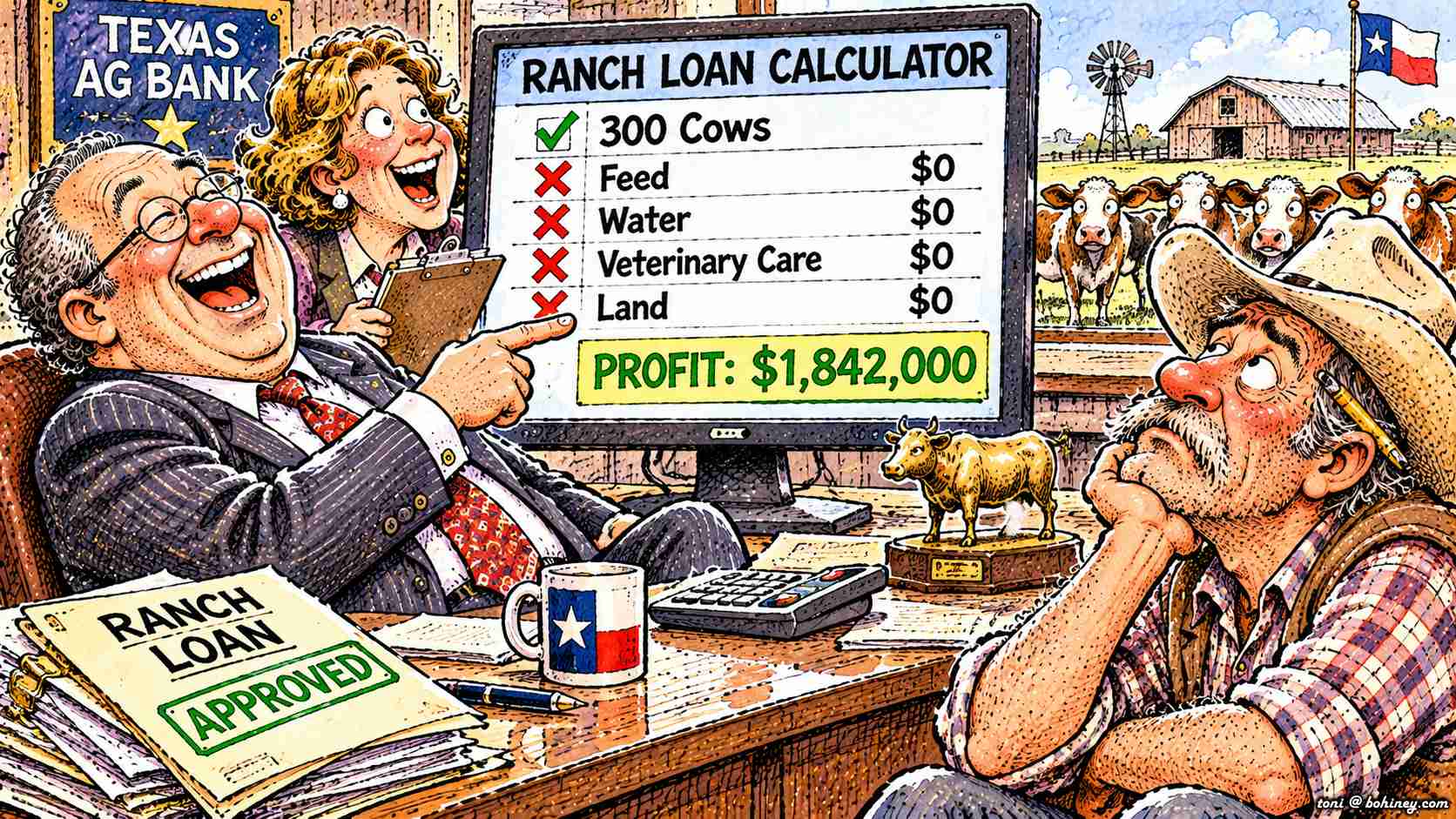
A payment that works only in a great year is a trap. If off-ranch income helps cover the note, say so honestly to the lender. The farm money guide offers budgeting basics.
If tourism or hunting lease income is part of your plan, treat it as a bonus. Lenders usually discount income that is not yet proven.
What are your next steps?
Visit more than one lender, line up a title attorney and ask neighbors who have bought or sold nearby. Their stories are often more useful than any brochure.
Over at farm.FM they cover ranching and farm economics, with a story on buying a ranch. This site is education only, is not a lender and gives no legal or financial advice.
Take photographs and notes during every visit. They help you compare properties and give your lender a sense of how carefully you looked.
Sources and further reading
- Farm Credit: cooperative agricultural lending network
- FSA Farm Loans: FSA direct, guaranteed, microloan and emergency loan information
- FDIC: deposit insurance and bank information
- USDA NRCS: conservation programs and technical help
- U.S. Drought Monitor: weekly drought maps
- Oklahoma Dept. of Agriculture, Food and Forestry: state agriculture agency
Ask locally: Walk the land with a local rancher and an OSU Extension range specialist before you sign.
General education only, not financial, legal or tax advice, and Oklahoma Rancher Loans is not a lender. Rates, terms and deadlines change, so confirm current details with the lender or agency.